About This Course
Dive colder waters with confidence and comfort
The SDI Dry Suit Diver Course will open up a whole new world of diving. Many of the finest diving environments around the world are better experienced in a dry suit. These areas have an abundance of marine life waiting to be seen and photographed, they just happen to be a little colder.
Dry suits are also used in tropical water during the cooler months. This course develops the knowledge and skills to properly use a dry suit, covering types, accessories, maintenance, and how to make basic repairs.
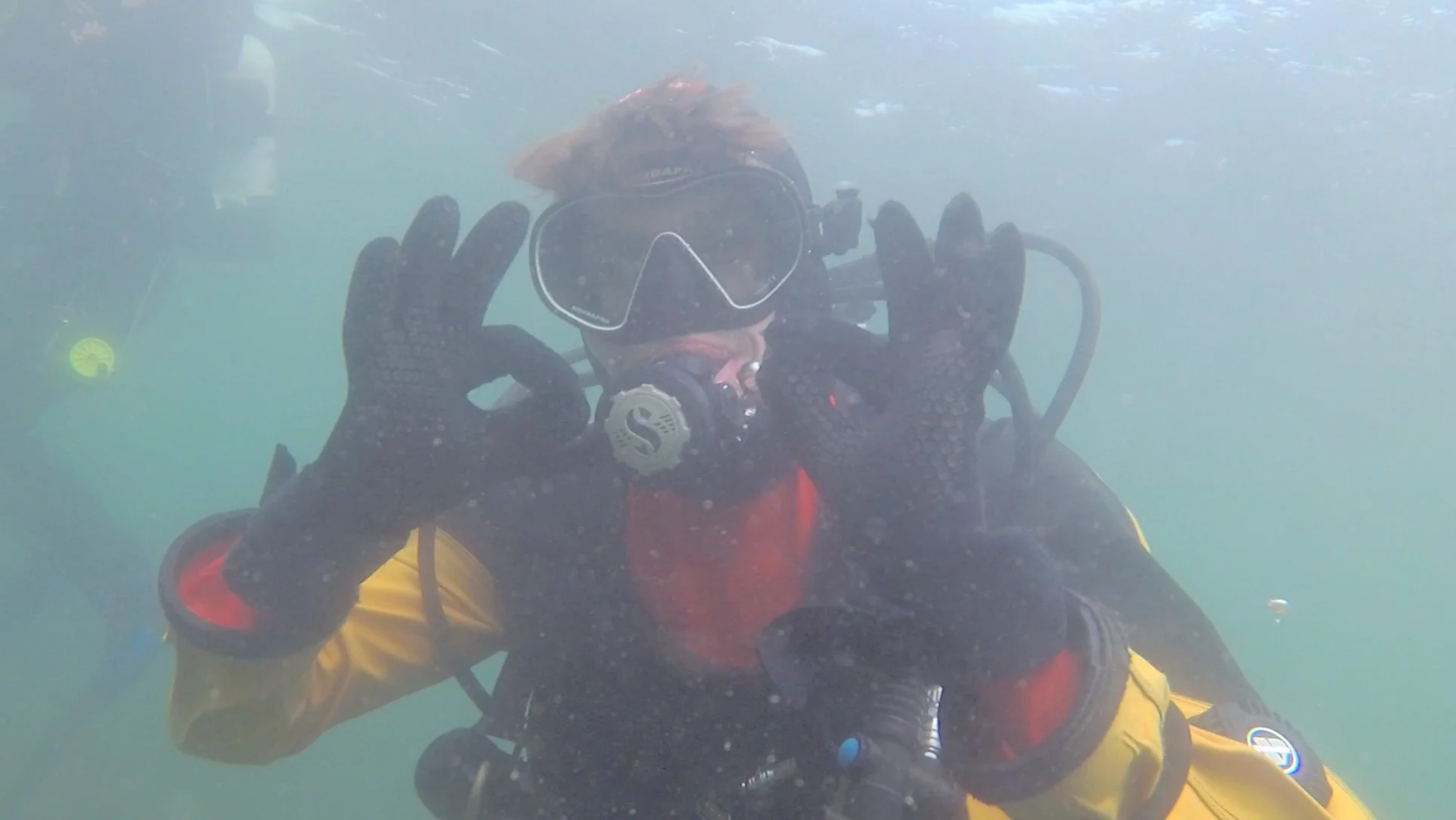
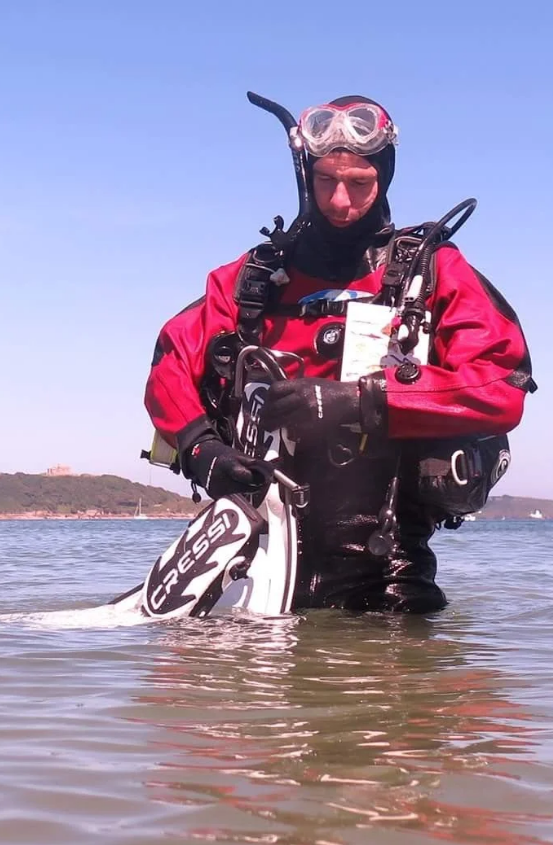
A dry suit dramatically extends your diving season and opens up cold-water sites that wetsuit divers simply cannot reach comfortably. Cornwall's richest dive sites are often its coldest.
What You Will Learn
Suit types, buoyancy & care
- Types of dry suits, shell, crushed neoprene, neoprene
- Types of seals, latex and neoprene
- Features, self-don, rear entry, boots
- Zipper guard and warm neck collar
- Dive wear insulation (undergarments)
- Dry suit valves, inflator & deflator
- Buoyancy control in a dry suit
- Maintenance and care
- Cleaning and zipper care
- Minor repairs
- Dry suit emergencies
- Proper donning technique
- Buoyancy check and proper weighting
- Emergency procedures for malfunction
Required Skills
What you will demonstrate in the water
- 1Plan a dive and properly don the dry suit
- 2Review all dry suit functions before entry
- 3Perform buoyancy check and confirm proper weighting
- 4Inflate and deflate the dry suit correctly while submerged
- 5Roll out from an inverted position
- 6Demonstrate hovering in a fixed position
- 7Execute emergency procedures for dry suit malfunction
- 8Complete a safety stop, ascend, exit, and log the dive
What's in it for you?
- Dive year-round in Cornwall's cold and temperate waters
- Access dive sites that are impractical in a wetsuit
- Counts towards a single specialty rating for the SDI Advanced Diver Development Program